Quantum Algorithms: Shor’s algorithm vs Grover’s algorithm

Two of the most famous quantum algorithms that demonstrate this speedup are Shor’s algorithm for factoring integers and Grover’s algorithm for searching unstructured databases. But how exactly do these algorithms work and what makes one faster than the other? Let’s explore. Quantum Parallelism The key advantage of quantum computers comes from the ability to evaluate

Quantum Algorithms: Shor’s algorithm vs Grover’s algorithm Read More »

Quantum Computing Frameworks

Q# vs Qiskit vs Cirq: A Comparison of Quantum Computing Frameworks

Quantum computing is an emerging technology that leverages the properties of quantum mechanics to perform computations in ways that classical computers cannot. There are several software frameworks available for developing quantum algorithms and programs, with three major options being: Q#, Qiskit, and Cirq. This article provides an overview and comparison of these quantum programming platforms.

Q# vs Qiskit vs Cirq: A Comparison of Quantum Computing Frameworks Read More »

Pros and Cons of Trapped-Ion Quantum Computers

Trapped-ion quantum computers are considered one of the leading candidates for building scalable quantum computers. They use individual charged atoms (ions) suspended in free space by electric fields for quantum computing operations. As with any emerging technology, trapped-ion quantum computers come with both advantages and disadvantages. How Trapped-Ion Quantum Computers Work Trapped-ion quantum computers use

Pros and Cons of Trapped-Ion Quantum Computers Read More »

Superposition and Entanglement

Superposition and Entanglement in Quantum Mechanics: Comparison

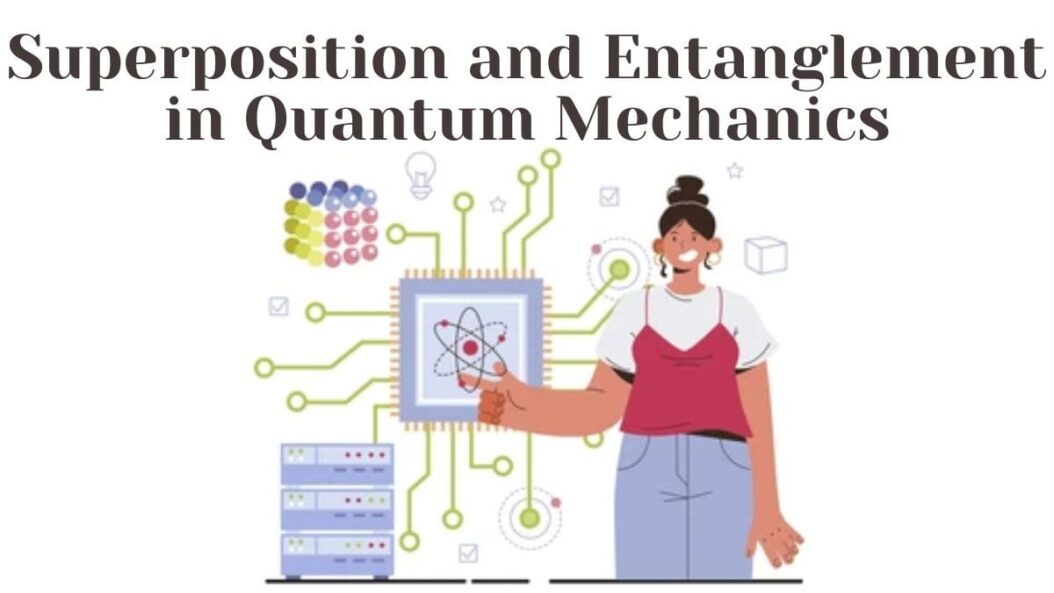
Introduction to quantum mechanics Quantum mechanics is a branch of physics that deals with the behavior of matter and energy at the subatomic levels. Some of the key concepts in quantum mechanics that depart sharply from classical physics are superposition and entanglement. Understanding the differences and relationships between these two phenomena is essential for grasping

Superposition and Entanglement in Quantum Mechanics: Comparison Read More »

Topological vs non-Topological

Topological vs non-Topological Quantum Computing: Differences

Introduction to quantum computing Quantum computing is a new paradigm of computing that harnesses quantum mechanical phenomena like superposition and entanglement to perform computations. The basic unit of information in a quantum computer is a quantum bit or qubit. Unlike classical bits that can store values of either 0 or 1, qubits can exist in

Topological vs non-Topological Quantum Computing: Differences Read More »