
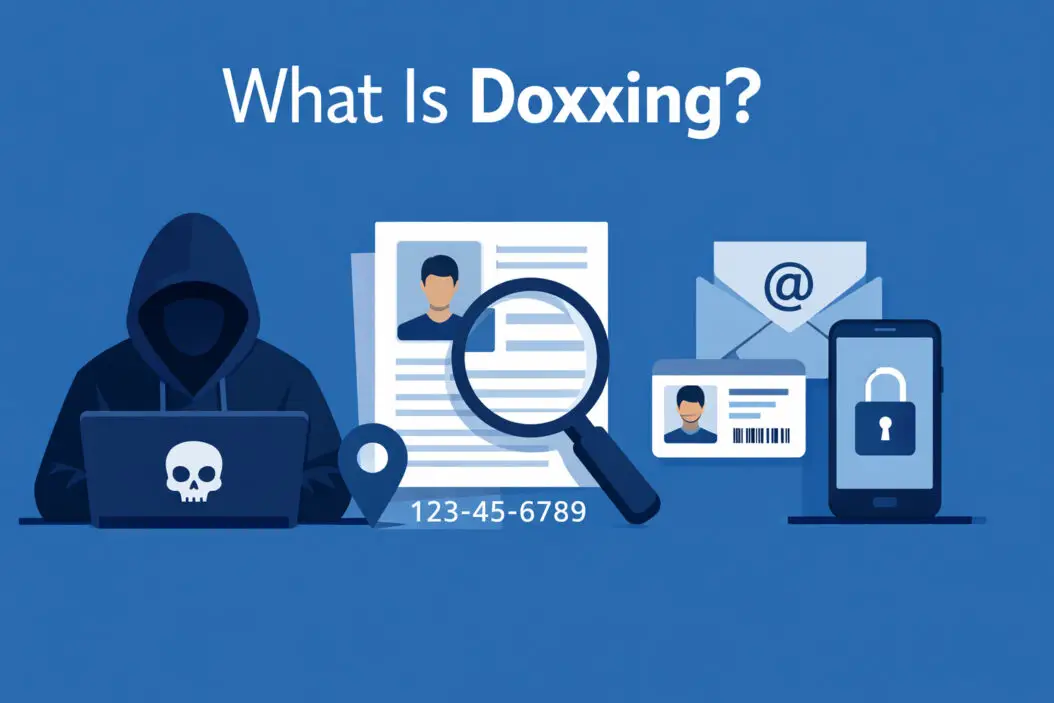
Doxxing is the act of publicly revealing someone’s private information online without their consent. This can include your home address, phone number, workplace, family details, or financial information. The goal is usually to harass, intimidate, or harm the target.
Think of it like someone posting your home address on a public forum after an online argument. That’s doxxing. And it’s dangerous.
Let’s break down everything you need to know to protect yourself.
Doxxing: The Basics
The term “doxxing” comes from “dropping docs” or documents. It started in hacker communities in the 1990s but has become a widespread problem across social media, gaming platforms, and online communities.
What information do doxxers target?
- Full legal name
- Home address and previous addresses
- Phone numbers (mobile and landline)
- Email addresses
- Workplace and job title
- Photos of you, your home, or your car
- Social Security number or other ID numbers
- Bank account or credit card details
- Family members’ information
- Medical records
- School or university details
The scary part? Much of this information is already public or semi-public. Doxxers just collect it and weaponize it.
How Doxxing Actually Happens
Doxxers use several methods to gather your information. Understanding these helps you protect yourself.
Public Records and Data Brokers
Government databases contain massive amounts of your personal data. Property records show where you live. Court records reveal legal issues. Voter registration lists your address.
Data brokers collect this public information and sell it. Sites like Whitepages, Spokeo, and hundreds of others compile profiles on millions of people. Anyone can buy this data for a few dollars.
Social Media Mining
You probably share more than you think. A photo at your favorite coffee shop reveals your neighborhood. A post about your new job tells doxxers where you work. A birthday wish to your mom gives them her name.
Doxxers piece together these small details across Facebook, Instagram, Twitter, TikTok, and LinkedIn. Each post is a puzzle piece.
Reverse Image Searches
Upload a photo to Google Images or TinEye, and you can find everywhere else that image appears online. Doxxers use this to connect your different online accounts and find information you thought was private.
IP Address Tracking
Your IP address reveals your approximate location. Some doxxers trick victims into clicking malicious links that capture their IP. Others exploit security flaws in games, chat apps, or websites.
Social Engineering
This is manipulation. A doxxer might call your phone company pretending to be you, asking to “update” your address. They might befriend you online to extract personal details through seemingly innocent conversation.
Data Breaches
When companies get hacked, your data leaks. The Identity Theft Resource Center tracks these breaches. Doxxers buy or download leaked databases containing emails, passwords, addresses, and more.
Real-World Examples of Doxxing
Gamergate (2014)
Female game developers and critics faced massive doxxing campaigns. Attackers published home addresses, resulting in death threats and some victims fleeing their homes.
COVID-19 Contact Tracers (2020-2021)
Public health workers had their personal information posted online by anti-mask groups. Many received threats and harassment at their homes.
Political Activists (Ongoing)
Both left and right-wing activists regularly doxx opponents. Protesters at rallies get identified through photos, then have their employers contacted or addresses published.
Streamers and Content Creators (Common)
Gaming streamers face doxxing constantly. “Swatting” incidents, where someone calls in a fake emergency to the victim’s address, have resulted in deaths.
The Legal Side: Is Doxxing Illegal?
This gets complicated. The answer is “sometimes.”
Federal Laws:
No specific federal anti-doxxing law exists in the United States as of 2026. However, doxxing can violate several existing laws:
- Interstate stalking laws
- Computer Fraud and Abuse Act
- Identity theft statutes
- Making threats (even if you didn’t doxx yourself)
State Laws:
Several states have passed specific anti-doxxing legislation:
- California, Nevada, Wyoming, and Texas have explicit laws
- Other states use stalking, harassment, or cyberbullying statutes
- Penalties range from misdemeanors to felonies
International Laws:
- European Union’s GDPR provides stronger privacy protections
- UK’s Protection from Harassment Act covers doxxing
- Australia has federal anti-doxxing provisions
The problem? Enforcement is inconsistent. Many doxxers operate anonymously or from countries with weak cybercrime laws.
Why People Doxx Others
Understanding motivation helps you assess your risk.
Revenge: Someone feels wronged and wants payback. This could be from a breakup, workplace dispute, or online argument.
Ideological Disagreement: You expressed an opinion someone hates. They want to punish you or silence you.
Entertainment: Some people think it’s funny to “mess with” others online. They lack empathy or don’t understand real-world consequences.
Competitive Gaming: Rivals doxx each other to gain advantages or settle scores in esports communities.
Financial Gain: Scammers doxx targets to commit identity theft or fraud.
Political Activism: Extremists on all sides use doxxing to intimidate opponents or “expose” people they disagree with.
The Real Consequences of Being Doxxed
Doxxing isn’t just embarrassing. It’s dangerous.
Immediate Dangers
Physical Safety Threats: When strangers know your address, you face potential violence. Swatting has killed innocent people. Stalkers show up at victims’ homes.
Harassment Campaigns: Hundreds or thousands of people might call your phone, email you, or message you. Some send disturbing images or threats.
Professional Damage: Doxxers often contact your employer. Even false accusations can cost you your job. Future employers might find the information during background checks.
Long-Term Impact
Financial Loss: Identity theft stemming from doxxing can drain bank accounts and ruin credit. Victims spend years recovering.
Mental Health: Anxiety, depression, and PTSD are common. The feeling that you’re being watched never quite goes away.
Relationship Strain: Family members get harassed too. Doxxing puts stress on marriages and friendships.
Forced Relocation: Many victims move to new addresses. Some change careers. A few disappear entirely, abandoning online identities they built for years.
According to the Cyber Civil Rights Initiative, over 60% of doxxing victims report severe emotional distress requiring professional help.
How to Protect Yourself From Doxxing
Prevention is easier than damage control. Start now.
Secure Your Social Media
Make Accounts Private: Limit who can see your posts, photos, and friend lists. Review privacy settings on every platform quarterly.
Remove Location Data: Turn off location tagging in photos. Don’t check in at places you visit regularly. Avoid posting in real-time from home.
Use Different Names: Consider using a nickname or variant of your name online. Don’t link all accounts to your legal name.
Limit Personal Details: Don’t share birthday, hometown, school names, or workplace unless necessary. Each detail helps doxxers.
Review Old Posts: Go through years of social media and delete posts revealing personal information. Yes, this takes hours. Do it anyway.
Clean Up Public Records
Opt Out of Data Brokers: Visit sites like Spokeo, Whitepages, BeenVerified, and PeopleFinder. Use their opt-out processes. This is tedious but essential.
Use Removal Services: Services like DeleteMe or Privacy Duck handle opt-outs for you. They cost money but save massive time.
Register to Vote Privately: Many states let you keep your address confidential if you’re at risk. Research your state’s options.
Use a PO Box: List a PO Box instead of your home address for public-facing business, domain registration, and online purchases.
Strengthen Digital Security
Use Strong, Unique Passwords: Every account needs a different password. Use a password manager like Bitwarden or 1Password.
Enable Two-Factor Authentication: Preferably using an authenticator app, not SMS. This stops account takeovers.
Protect Your Email: Your primary email is the key to everything. Never share it publicly. Use alias emails for signups.
VPN Usage: A quality VPN masks your IP address. Use it for gaming, forums, or any activity where IP leaks are risky.
Review Connected Apps: Check which third-party apps access your social media. Remove anything unnecessary.
Separate Your Identities
Create Barriers: Use different emails, usernames, and photos for professional versus personal versus anonymous accounts. Don’t cross the streams.
Professional Presence: LinkedIn and professional sites should contain only what employers need. Nothing personal.
Anonymous Accounts: For gaming, hobbies, or controversial discussions, create completely separate identities with no links to your real name.
Physical Security Measures
Home Address: Consider using your parents’ address or a friend’s for online deliveries. Some people use mail forwarding services.
Phone Number: Use Google Voice or similar services for online signups. Keep your real number private.
Photos: Avoid posting pictures showing house numbers, street signs, or identifying landmarks near your home.
What to Do If You’ve Been Doxxed
You’ve found your information posted online. Now what?
Immediate Steps
1. Document Everything: Screenshot the doxxing posts, save URLs, note dates and times. You’ll need this for law enforcement and platform reports.
2. Report to Platforms: Every social media site, forum, or website has reporting mechanisms. Use them. Most platforms ban doxxing under their terms of service.
3. Contact Website Administrators: If it’s on a smaller site, email administrators directly requesting removal. Be polite but firm.
4. File a Police Report: Even if they can’t do much, having an official report helps with future legal action and platform takedowns.
Assess the Threat Level
Low Risk: Information posted but no threats. Monitor but don’t panic.
Medium Risk: Information posted with encouraging others to contact you or your employer. Take protective action.
High Risk: Direct threats, calls for violence, or information combined with intent to harm. Consider emergency protective measures.
Damage Control Actions
Alert Your Employer: Get ahead of it. Tell HR or your boss before doxxers contact them. Explain the situation honestly.
Warn Family and Friends: They might be targeted too. Give them a heads up and advice on securing their own accounts.
Change Accessible Information: New phone number if it’s leaked. Email changes if necessary. Update passwords everywhere.
Consider Legal Action: Consult with an attorney specializing in cyber harassment. You might have grounds for restraining orders or civil suits.
Hire Reputation Management: Professional services can help push negative content down in search results. This costs money but works.
Long-Term Recovery
Monitor Your Credit: Identity theft often follows doxxing. Use credit monitoring services and freeze your credit at all three bureaus.
Regular Searches: Google yourself monthly. Set up Google Alerts for your name and address. Catch new doxxing early.
Therapy: Don’t underestimate psychological impact. Talk to a professional if you’re struggling.
Support Groups: Online communities of doxxing victims provide understanding and practical advice. You’re not alone.
Special Considerations for High-Risk Groups
Some people face higher doxxing risks than others.
Content Creators and Streamers
Your audience knows you, but so do trolls. Use business addresses and PO boxes. Never show identifying information on camera. Consider streaming from locations other than your home.
Activists and Public Figures
You’re already visible. Focus on separating public and private life completely. Use security services if threats escalate.
Domestic Abuse Survivors
Abusers often use doxxing as control. Work with domestic violence organizations that offer address confidentiality programs. Many states have special protections.
Minors
Parents, monitor what your kids share online. Teens don’t understand long-term risks. Set privacy controls and discuss online safety regularly.
The Role of Platforms and Technology
Social media companies claim to fight doxxing, but enforcement varies wildly.
What Works:
- Twitter, Facebook, and Reddit ban doxxing in their policies
- Most remove reported content within days
- Verified accounts often get faster response
What Doesn’t:
- Inconsistent enforcement across platforms
- Content spreads faster than removal
- Alternative platforms have no moderation
- Screenshots and reposts make information permanent
New technologies both help and hurt. AI makes finding connections between accounts easier. But AI also helps platforms detect doxxing faster.
Prevention Checklist
Use this table to audit your current protection level:
| Protection Area | Action | Status |
|---|---|---|
| Social Media | All accounts set to private | ☐ |
| Location services disabled | ☐ | |
| Old posts revealing info deleted | ☐ | |
| Public Records | Opted out of major data brokers | ☐ |
| Using PO Box for public records | ☐ | |
| Accounts | Unique passwords everywhere | ☐ |
| Two-factor authentication enabled | ☐ | |
| Communications | Separate email for personal/public use | ☐ |
| VPN for sensitive browsing | ☐ | |
| Physical | Home address not publicly listed | ☐ |
| Google Voice number for online use | ☐ |
Check each box as you complete it. Even half this list significantly reduces your risk.
Summary
Doxxing is the malicious publication of your private information online. It happens through public records, social media mining, data breaches, and social engineering. The consequences range from harassment to physical danger to financial ruin.
Protection requires constant vigilance. Lock down social media. Remove yourself from data broker sites. Use unique passwords and two-factor authentication. Separate your online identities.
If you’re doxxed, document everything, report to platforms and police, warn people in your life, and consider legal action. The internet never forgets completely, but you can minimize damage through quick action and professional help.
The key insight? Your digital footprint is larger than you think. Every post, every photo, every account connection gives doxxers more information. Start reducing that footprint today. Not tomorrow. Today.
Your safety depends on treating online privacy as seriously as you treat locking your front door. Because in 2026, your digital life is your real life.
Frequently Asked Questions
Can doxxing happen to anyone or just public figures?
Anyone can be doxxed. You don’t need to be famous. Ordinary people get doxxed over online arguments, gaming disputes, dating app interactions, or simply being in the wrong place at the wrong time. The barrier to entry is low. If you have any online presence, you have some risk.
How long does it take for doxxed information to disappear from the internet?
There’s no fixed timeline. Some platforms remove doxxing content within 24-48 hours of reporting. But screenshots spread instantly. Information gets reposted. Search engines cache pages. Realistically, expect 3-6 months of active removal efforts to clean up most traces. Some information never fully disappears.
Is it doxxing if the information is already publicly available?
Yes. Doxxing isn’t about revealing secrets. It’s about weaponizing information by publishing it with malicious intent in contexts designed to harm you. Even if your address is in public records, posting it to a forum full of people who hate you is doxxing.
What should I do if someone threatens to doxx me?
Don’t engage with the person making threats. Take it seriously. Screenshot the threat immediately. Report it to the platform and file a police report. Proactively remove as much personal information from the internet as possible. Consider consulting with a lawyer about restraining orders. Many threateners follow through.
Can I sue someone who doxxed me?
Potentially yes. You might have grounds for civil suits under harassment, intentional infliction of emotional distress, or privacy violation laws. Success depends on jurisdiction, evidence, and whether you can identify the doxxer. Many operate anonymously, making lawsuits difficult. Consult an attorney specializing in cyber law to evaluate your specific situation.
